
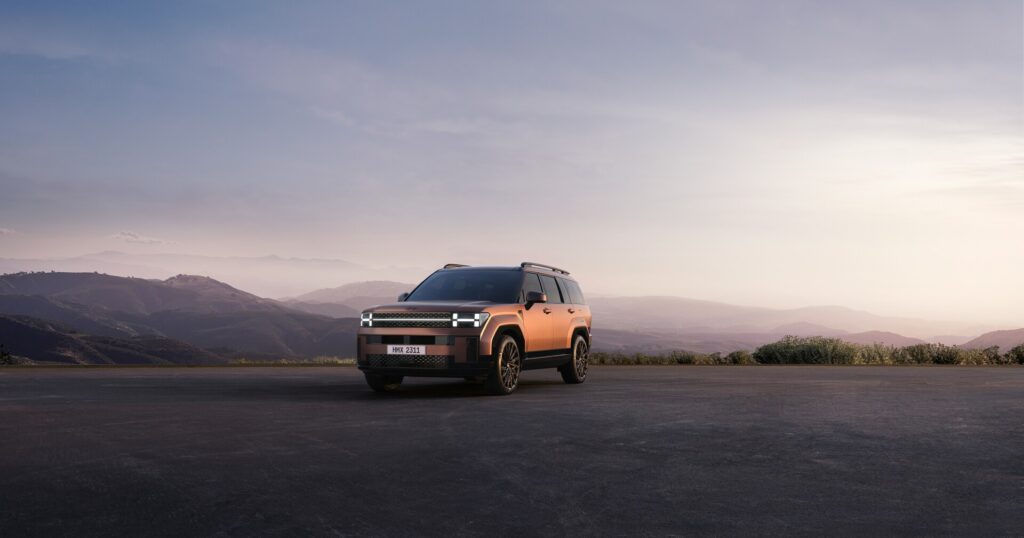
Not too long ago, SUVs ruled the roads. They were the go-to for families, adventurers, and anyone who wanted to feel a bit more powerful behind the wheel. Big, bold, and built for whatever life throws your way, these vehicles became synonymous with freedom, comfort, and status.
But recently, a surprising trend is emerging: drivers are trading in their SUVs for smaller cars. Compact sedans, hatchbacks, and even subcompact crossovers are making a comeback, and it’s not just about saving money at the pump. So why the sudden shift away from the all-mighty SUV?
1. Fuel Prices Are Still a Real Concern
Sure, fuel prices fluctuate, but for many, they’re still a major pain point in the budget. While gas prices have stabilized in some places, they’re still a lot higher than they were pre-pandemic. Larger SUVs, while great for road trips and off-roading, are gas-guzzlers. Smaller cars, on the other hand, are much more fuel-efficient. The math adds up quickly when you’re filling up every week.
A compact sedan or hatchback often offers up to 30-40% better fuel economy than a mid-size SUV. For commuters or city dwellers, it’s an easy choice. Less time at the pump means more savings.
2. Urban Living Makes Larger Vehicles Less Practical
As cities get more congested, parking spaces shrink, and traffic becomes a daily struggle, the practicality of a larger vehicle begins to fade. SUVs might offer extra space for road trips, but in urban environments, they’re just harder to manage.
The frustration of finding parking in tight spots, maneuvering through narrow streets, and dealing with limited garage space is pushing many to rethink their car choice. Smaller cars fit better in smaller spaces—and they’re just easier to zip around in.
3. Tight Budgets and Rising Costs
As inflation continues to affect everything from groceries to rent, car buyers are increasingly looking at affordable options. SUVs, especially newer models, come with a hefty price tag—not to mention their maintenance costs, insurance, and higher taxes.
Compact cars, on the other hand, are usually more budget-friendly all-around. The upfront cost is lower, they tend to be cheaper to insure, and they’re often less expensive to maintain. For young professionals, empty-nesters, or anyone watching their bottom line, downsizing feels like a smart financial decision.
4. Smaller Doesn’t Mean Less Fun
In the past, driving a smaller car often meant sacrificing performance or feeling “boxed in.” That’s no longer the case. Automakers have come a long way in making compact vehicles just as fun to drive as their larger counterparts.
Cars like the Mazda3, Honda Civic, or Volkswagen Golf have a reputation for being nimble, engaging to drive, and packed with features. With modern turbocharged engines, sports car-like handling, and tech-loaded interiors, small cars have evolved. Drivers can get the agility and fun without sacrificing power or comfort.
5. Eco-Friendly Mindsets Are Shaping Choices
The environmental impact of larger vehicles is hard to ignore. While electric SUVs are becoming more popular, many drivers are still drawn to the lower carbon footprint of smaller cars, particularly hybrids. A lot of today’s compact models offer hybrid or fully electric options that are perfect for those looking to drive more sustainably without giving up style.
The push for greener transportation is real, and smaller cars are often a natural choice for those wanting to reduce emissions and be more mindful of the planet’s resources.
6. The SUV Hype Is Fading—It’s About Practicality Now
At one point, owning an SUV was almost a status symbol. Bigger was better. But now, with more people working from home, traveling less, and spending more time in urban environments, practicality is taking over. For some, the extra size and weight just aren’t worth the trouble anymore.
Small cars offer just what many drivers need: good fuel economy, easy handling, and enough room to comfortably fit passengers and cargo. They’re straightforward, functional, and—let’s be honest—more “down to earth.”
7. The Desire for Simplicity
There’s also a growing trend towards minimalism in daily life. After years of accumulating excess “stuff,” people are finding satisfaction in simpler, more streamlined living. This philosophy is extending to their cars as well.
With fewer bells and whistles and a lower price point, compact cars allow drivers to embrace a simpler driving experience. They get where they need to go efficiently, without all the frills and distractions that sometimes come with high-end SUVs.
Conclusion: The Road Ahead
The shift from SUVs to smaller cars may seem surprising given how dominant SUVs have been in recent years. But this trend is reflective of the times: a need for more affordable, practical, and eco-conscious vehicles in a world that’s becoming more urbanized and cost-conscious.
So, while SUVs are likely to remain popular for those who need them, smaller cars are proving they still have a lot to offer. If you’re thinking of making the switch, there’s no shortage of options—from sportier models to hybrid and electric choices—tailored to meet the demands of today’s drivers.
Whether it’s for a smaller footprint, lower costs, or just the joy of driving something nimble and efficient, downsizing your ride might be the smartest decision you make this year.