
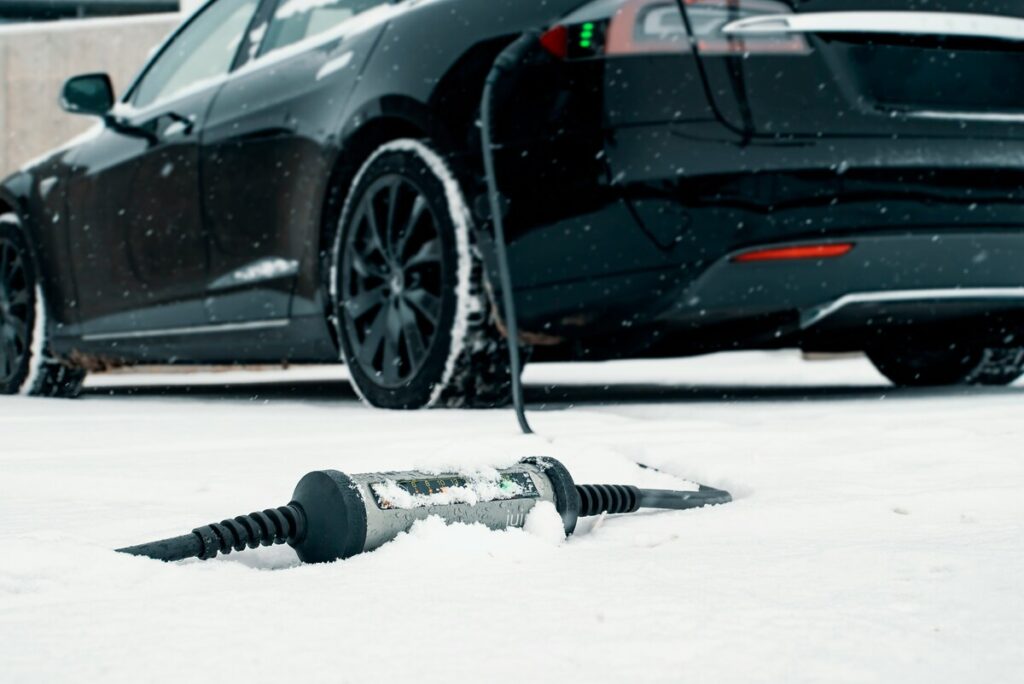
Winter is where electric vehicles face their biggest challenges. Cold weather affects comfort, battery performance, and driving range. One of the biggest factors is how an EV creates heat. This is why EV heat pump vs resistive heating matters so much in winter driving.
Resistive heating is the most basic system used in electric vehicles. It works like an electric space heater. Electricity flows through a heating element and produces heat instantly. The system is reliable and works in any temperature. The problem is efficiency. Every bit of heat comes directly from the battery. In winter, that energy loss becomes noticeable very quickly.
When resistive heating is running, range drops faster. Short trips feel especially inefficient. The battery starts cold and must power both driving and heating. Older EVs and some budget models still rely heavily on this system.
Heat pumps work in a different way. Instead of creating heat, they move it. Even cold air contains thermal energy. A heat pump captures that energy and transfers it into the cabin and battery system. Because of this process, heat pumps use less electricity to produce the same warmth.
This efficiency helps preserve driving range. In mild to moderate winter conditions, EVs with heat pumps perform better. Drivers often notice slower range loss and lower energy use. The system works quietly in the background without driver input.
In very cold temperatures, heat pumps lose efficiency. When the air becomes too cold, there is less heat to extract. At that point, many EVs activate a backup resistive heater. This ensures cabin comfort and battery protection. Extreme cold still affects range, even with advanced systems.
Most modern EVs use both systems together. Software decides when to rely on the heat pump and when to add resistive heat. Waste heat from motors and electronics is often reused. Battery heating is prioritized to maintain performance and charging speed.
Battery preconditioning plays a major role in winter efficiency. Warming the battery before driving reduces energy loss. It also improves acceleration and charging speed. Preconditioning works best when the car is plugged in.
Short winter trips remain the hardest scenario for EVs. The battery starts cold and warms slowly. Heating demand is high during the first minutes of driving. Heat pumps help reduce the impact, but habits still matter.
Longer drives show clearer differences. This is where EV heat pump vs resistive heating becomes most noticeable. Efficient heating helps preserve range over time. Fast charging also becomes more predictable with a warm battery.
For buyers, heat pumps matter most in cold regions. They are especially useful for commuters and highway drivers. Resistive heating still has value in extreme climates. It provides guaranteed heat when temperatures drop very low.
In 2026, winter EV performance depends on system integration. Heat pumps alone are not the full solution. Smart thermal management makes the difference. Battery care, cabin comfort, and efficiency now work together.
The takeaway is simple. Heat pumps reduce winter range loss in most conditions. They are not a miracle fix. Cold weather still affects electric vehicles. With good habits and the right technology, winter driving is easier than ever.