Choosing between a big car and a small car these days can feel like a big decision, but it’s all about what works best for you. In 2025, there are tons of cool options for both—whether you’re into something roomy and powerful or something small, zippy, and efficient. Here’s how the two stack up, based on the stuff that really matters.
Space and Comfort
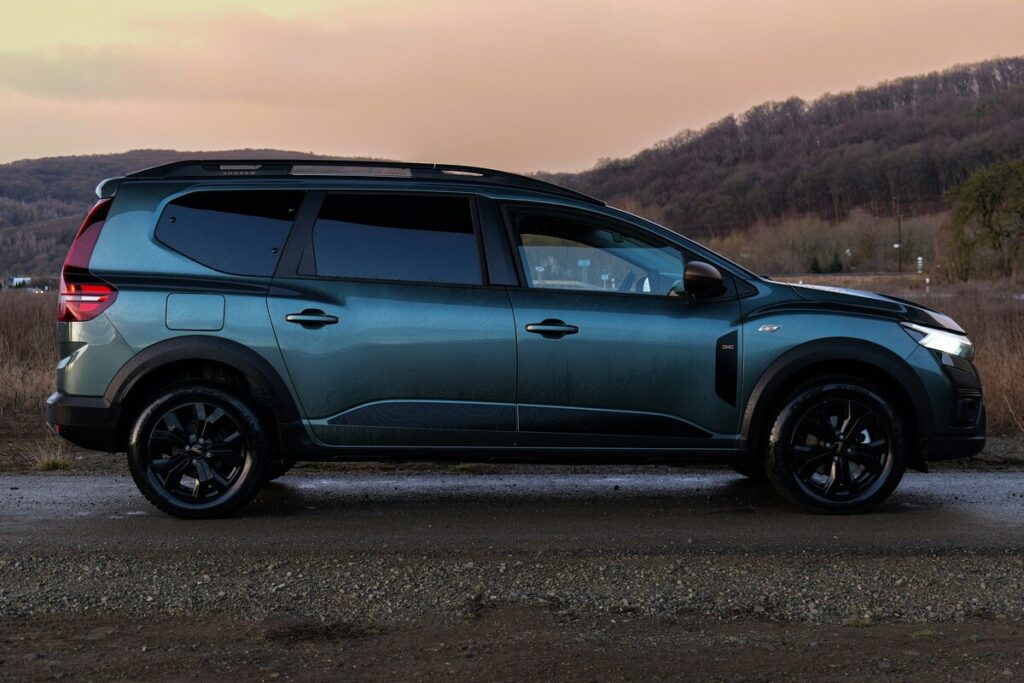
If you like having room to spread out, big cars—like SUVs and trucks—are hard to beat. Imagine cruising down the highway in a roomy vehicle with tons of space for your friends, your gear, and maybe even your dog. Whether you’re loading up for a road trip or just need that extra legroom, bigger cars have it all. But, here’s the thing: parking in the city can feel like a mini heart attack when you realize you’re trying to squeeze into a tiny spot. And let’s not even talk about navigating tight city streets.
On the flip side, small cars are perfect for city life. They’re nimble, easy to park, and fit perfectly into those little parking spaces you thought were only for motorcycles. But, let’s be real—they’re not the best if you’re planning on stuffing them with luggage for a weekend getaway. You might find yourself cramming stuff into the back seat if you’re traveling with others. But for quick trips around town? Small cars make everything feel effortless.
Driving Feel: Big vs. Small
Now, if you want power and smooth cruising, big cars tend to give you that sturdy, confident ride. It’s nice knowing you can haul a boat or tackle a rough dirt road when needed. And while they’re awesome for long road trips, they can feel a little clunky when you’re trying to make a sharp turn or park in a tight spot. Big cars are like that friend who’s awesome for a weekend getaway but kind of struggles with the small details.
Small cars, on the other hand, are like the nimble athlete of the car world. They zip around effortlessly, make parking feel like a breeze, and are fun to drive in the city. It’s the kind of car you can dart in and out of traffic with, like you’re playing a game of Tetris. However, if you’re the type of person who wants a little muscle, small cars might not give you the “punch” you’re after, especially if you need to haul heavy loads or tackle tough terrain.
Fuel and Environmental Impact
When it comes to fuel, big cars used to get a lot of flack for guzzling gas, but things are changing. Electric big cars, like the Rivian R1T or Ford Mustang Mach-E, are making a splash, offering that big-car experience with none of the guilt. If you’re leaning toward an SUV or truck, electric versions are the way to go. They still have all the space and power, but with a much smaller carbon footprint. If you’re sticking to gas or hybrid models, though, you’re still looking at higher fuel costs compared to smaller options.
Small cars, by nature, are way easier on fuel. They’re lighter, so they don’t need as much to get moving. And with the rise of electric small cars like the Honda e or the Fiat 500 Electric, it’s easy to see why they’re so popular in cities. They’re perfect for short commutes, and they charge fast and cost less to run. Plus, you don’t have to feel bad about the planet since they’re typically more eco-friendly. But, if you’re someone who needs to travel long distances or haul lots of stuff, a small car might leave you wanting more.
Safety
When it comes to safety, big cars do have a size advantage. In the unfortunate event of a crash, being in a larger vehicle generally means more protection. You’ve got more metal around you, and with all the tech in modern cars, they’re often loaded with safety features—think lane-keeping assist, automatic braking, and collision alerts. That said, big cars can be trickier to handle in an emergency. They’re heavier, so they take longer to stop, and their size can make them less agile in tight spots.
Small cars, while more agile, can feel less safe in a crash just because they don’t have the same bulk. But, don’t let that fool you—today’s small cars come with a ton of tech to keep you safe. They’ve got reinforced frames, airbags galore, and features like automatic emergency braking that help prevent accidents before they happen. In fact, some small cars are just as equipped with tech as the big guys.
Price and Costs
When it comes to money, big cars tend to be more expensive upfront, both in terms of purchase price and ongoing costs (like fuel and maintenance). The larger engine and more features you’re paying for add up. That said, if you’re someone who needs the space or power, the investment can be totally worth it. Plus, more big cars are now going electric, so you’re saving on gas, which helps in the long run.
Small cars, on the other hand, are usually easier on the wallet from the start. They’re more affordable to buy, and their smaller engines mean lower fuel and maintenance costs. They’re perfect if you’re just looking for a car to get you from point A to point B without all the extra baggage. The downside? You might not get the same luxury or space you would in a larger car, but for a lot of people, that’s not a dealbreaker.
Which One Fits Your Life in 2025?
So, which is the right choice for you in 2025? If you love the idea of having a lot of space to stretch out, tackle long trips, or carry gear (and don’t mind the occasional parking challenge), a big car might be perfect. They’re also making strides in being more eco-friendly with electric versions popping up everywhere.
But if you’re all about efficiency, maneuverability, and living in the city where parking is at a premium, a small car is probably the way to go. They’re easier on your wallet, both in terms of initial cost and fuel, and they’re great for city living.
At the end of the day, it all comes down to what you need. Are you looking for space, power, and adventure—or something compact, fun, and efficient? Whatever you choose, there’s a ride out there that fits your life perfectly in 2025.