
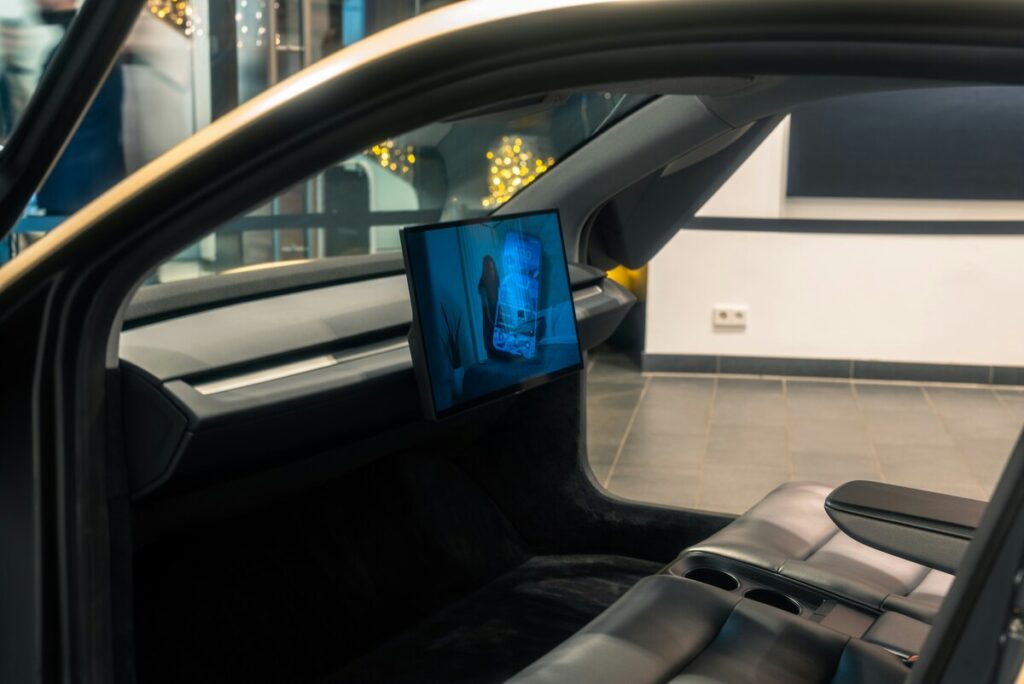
The world of transportation is shifting faster than ever, and robotaxis are at the center of that change. Autonomous vehicles, once seen as futuristic experiments, are now entering real-world streets. In 2026, self-driving cars are no longer just a curiosity—they’re starting to reshape how people move, where they live, and how cities plan their streets.
Major companies like Waymo and Tesla are expanding their autonomous fleets, and other automakers are racing to catch up. The result is a growing buzz around robotaxis and self-driving technology that captures public imagination and consumer interest alike. People are not just curious—they want to know when and where they can ride in a driverless car.
How Robotaxis Are Becoming a Reality
Robotaxi programs are no longer limited to pilot zones. In 2026, several cities worldwide will see larger fleets of autonomous taxis on public roads. Waymo, for example, continues to expand service areas in North America, and Tesla’s Robotaxi program is generating significant attention as it nears commercial deployment.
These fleets rely on sophisticated AI, lidar sensors, and advanced safety systems to navigate urban environments. Unlike early experiments, today’s robotaxis are designed to handle real-world traffic conditions, pedestrians, and unexpected road events. The technology is still evolving, but it’s increasingly practical for everyday use.
Why People Are Excited About Autonomous Vehicles
There are several reasons why robotaxis are gaining traction:
- Convenience: People can hail a ride without worrying about parking, traffic, or driving fatigue.
- Efficiency: AI-driven routing reduces wait times and optimizes traffic flow.
- Accessibility: Autonomous rides provide mobility options for people who cannot drive.
The combination of these factors is turning autonomous vehicles from niche experiments into mainstream transportation options. Public interest is peaking, and search trends reflect this curiosity.
Challenges Still Ahead
Despite the excitement, autonomous vehicles face challenges. Safety concerns remain a top priority. Regulators are cautious, requiring rigorous testing before broad deployment. Public perception is another hurdle—some people are still wary of riding in a car without a human driver.
Infrastructure must also adapt. Smart traffic signals, high-precision maps, and well-marked lanes are critical for safe robotaxi operations. Cities that invest early in autonomous-friendly infrastructure will likely see the fastest adoption.
The Future of Mobility in 2026
By 2026, robotaxis will be more than a novelty—they will influence urban planning, commuting habits, and the automotive industry itself. Traditional car ownership may decline in certain areas as consumers opt for subscription-based or pay-per-ride autonomous services. EV adoption will also increase, as most robotaxi fleets rely on electric powertrains to reduce operational costs and emissions.
For car enthusiasts and casual drivers alike, keeping an eye on autonomous vehicle developments is essential. The next few years will determine how quickly self-driving technology becomes a regular part of daily life.
What the Rise of Robotaxis Means for Drivers?
Even if you don’t plan to ride one immediately, understanding the rise of autonomous vehicles is important. The technology will affect insurance, city design, and the resale value of conventional cars. Whether you’re a driver, commuter, or investor, robotaxis are poised to become a significant part of the automotive landscape in 2026.