
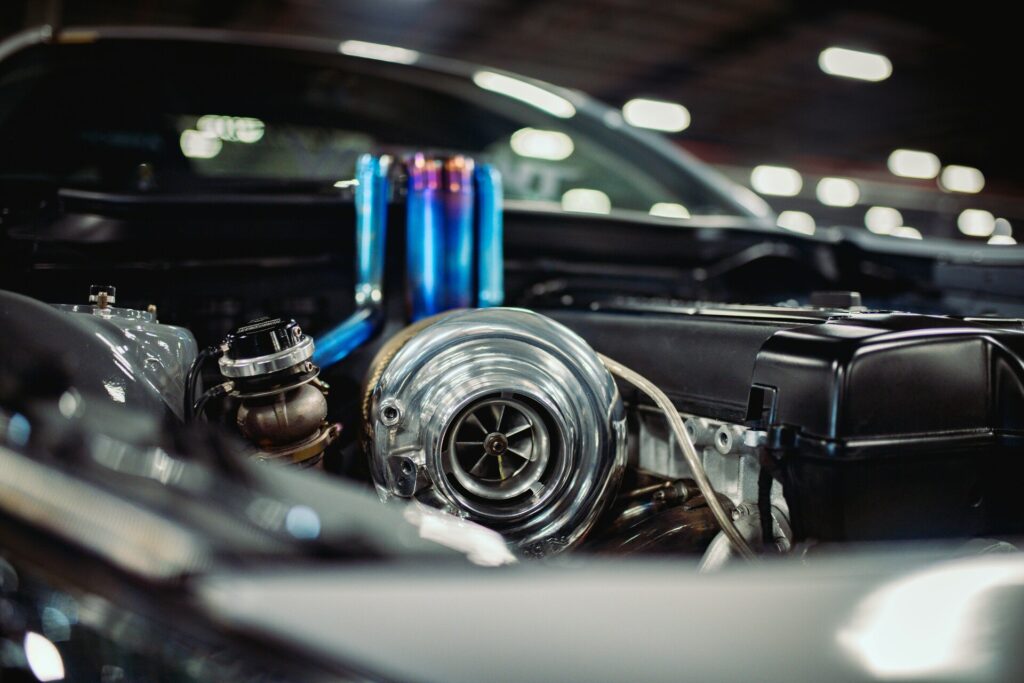
If you’ve ever heard the term turbocharged engine or seen a “turbo” badge on the back of a car, you might have wondered what that really means. What’s the difference between a turbocharged car and one that isn’t? And why is turbocharging such a popular feature in modern vehicles? Let’s break it down in simple terms, so you can get a better grasp on how turbocharging works and why it’s become a big deal in the automotive world.
What Is Turbocharging?
At its core, turbocharging is a technology that helps your car’s engine perform better without increasing its size. A turbocharger is a small, yet powerful device that forces extra air into the engine’s combustion chamber. This increase in air means the engine can burn more fuel, resulting in more power from the same amount of fuel. Think of it as a way to give your engine a little extra “boost”—which is exactly where the term “turbo” comes from!
The turbo itself consists of a turbine and a compressor. The turbine is powered by exhaust gases from the engine, which spin the turbine blades. This, in turn, drives the compressor that pushes more air into the engine. This system allows for much higher performance without the need for a bigger engine, which would otherwise consume more fuel and take up more space.
Why Do Cars Use Turbochargers?
Turbocharging offers several key benefits that car manufacturers love to talk about, and drivers really appreciate. The main advantage is that it makes smaller engines more powerful and efficient. This has become particularly important in recent years as consumers have pushed for cars that offer better fuel economy and lower emissions, but still have the performance to keep up with larger, more traditional engines.
The Key Benefits of Turbocharging
One of the biggest perks of a turbocharged engine is extra power without the added weight of a larger engine. Instead of needing a bulky V6 or V8, a turbocharged four-cylinder engine can deliver similar performance. This makes cars not only faster but also more fuel-efficient, because the engine doesn’t have to work as hard to produce power.
Another benefit is better acceleration. Since the turbo allows the engine to burn more fuel and air, you get a quicker response when you step on the gas. This means you’ll feel a noticeable increase in acceleration, especially when overtaking or merging onto highways.
Better Fuel Efficiency
You might think that more power equals more fuel consumption, but that’s where turbocharging really shines. A turbocharged engine uses less fuel to produce more power, making it far more efficient than a non-turbocharged engine of similar performance. Because of the increased efficiency, vehicles with turbocharged engines can go further on less fuel. So, while you’re getting a fun, sporty drive, you’re also cutting down on how often you need to fill up at the pump.
Turbocharging in Modern Cars
In the past, turbocharged engines were mostly found in high-performance cars like sports cars and racing vehicles, but today, they’re much more common across all types of cars. Many compact sedans, SUVs, and even trucks are now equipped with turbocharged engines. This trend has grown as manufacturers aim to meet stricter emissions standards while still delivering the performance and power consumers want.
For example, you might find that a compact sedan with a small 1.5-liter turbocharged engine can deliver the kind of acceleration and power you’d expect from an engine twice its size. This allows carmakers to offer vehicles that are fun to drive, fuel-efficient, and environmentally friendly at the same time.
The Turbocharged Feel
If you’ve driven a turbocharged car, you’ve probably noticed the rush of power that hits you when you press the accelerator. It’s not an instant jolt like you’d get with a big engine, but it comes on fast and smooth, giving you a quick, responsive boost when you need it. This is what car enthusiasts often describe as the “turbo kick”—that satisfying, turbo-powered surge.
Possible Drawbacks of Turbocharging
While turbocharging is fantastic for performance and efficiency, it’s not without a few potential drawbacks. One thing to keep in mind is turbo lag. This is the brief delay between pressing the accelerator and the engine responding with that extra power. Since the turbo relies on exhaust gases to spin the turbine, it takes a split second for the turbo to “spool up” and deliver power, especially at lower speeds.
Another consideration is maintenance. Turbocharged engines can sometimes experience more wear and tear compared to non-turbo engines, especially if they’re not properly maintained. Things like oil changes, cooling, and ensuring the turbocharger itself stays clean are crucial to keeping everything running smoothly. If you’re someone who drives hard and pushes the engine often, turbocharging can add a bit of extra maintenance to your routine.
The Future of Turbocharging
As technology continues to advance, we’re likely to see even more innovations in turbocharging. With the rising popularity of hybrid and electric cars, manufacturers are experimenting with ways to combine turbocharged engines with electric motors to create more efficient powertrains. The idea is to get the best of both worlds: turbocharged performance paired with the efficiency of electric power.
Wrapping It Up
Turbocharging has revolutionized the way carmakers think about performance. It allows smaller engines to deliver more power and better fuel efficiency, all while keeping emissions in check. Whether you’re driving a compact car, an SUV, or a sporty sedan, the presence of a turbocharger means you can have the best of both worlds—more performance with less fuel consumption.
In the end, turbocharging is a great way to get more bang for your buck when it comes to engine power, while still staying environmentally conscious and budget-friendly. While it’s not perfect—some turbo lag and maintenance concerns may arise—it’s clear that this technology is here to stay, making cars faster, smarter, and more efficient than ever before.
Do you drive a turbocharged vehicle, or are you thinking about one? Feel free to share your experience or questions about how turbocharging works!