If you’ve ever started your car on a chilly morning and immediately been greeted by that little orange tire pressure warning light, you’re not alone. It’s one of those wintertime surprises that feels like it comes out of nowhere—even though it happens every year.
The good news is, it doesn’t usually mean you’ve got a flat. But it does mean your car is trying to tell you something.
Why Tire Pressure Drops When It Gets Cold
It’s all about simple physics. When the temperature drops, the air inside your tires contracts, taking up less space and lowering the pressure. On average, you’ll lose about one pound per square inch (PSI) for every 10-degree Fahrenheit drop in temperature.
So if it’s 60°F one day and drops to 30°F overnight, your tires might lose 2–3 PSI without anything actually “wrong” happening. But that’s often enough to trigger your car’s tire pressure monitoring system.
Is It Something to Worry About?
Kind of—yes. Driving with low tire pressure might not feel immediately dangerous, but it does affect your car’s performance. It can lead to reduced fuel efficiency, uneven tire wear, and even reduced traction—something you really don’t want during winter driving.
In more extreme cases, especially if the pressure drops significantly, it can even increase the risk of a tire blowout.
What You Can Do About It
First, check your tire pressure when your tires are “cold”—meaning you haven’t driven on them for a few hours. You’ll get the most accurate reading that way.
Next, make sure you’re inflating them to the recommended pressure, not the maximum pressure listed on the tire itself. You can usually find the recommended PSI on a sticker inside the driver’s side door.
Don’t be surprised if you need to check and top off your tire pressure more often during the colder months. It’s completely normal and doesn’t mean there’s a leak or damage. It’s just how air behaves.
Also, don’t just reset the tire pressure warning light without actually checking your tires. That light is there for a reason, and ignoring it could mean driving with tires that aren’t as safe as they should be.
A Small Winter Upgrade Worth Considering
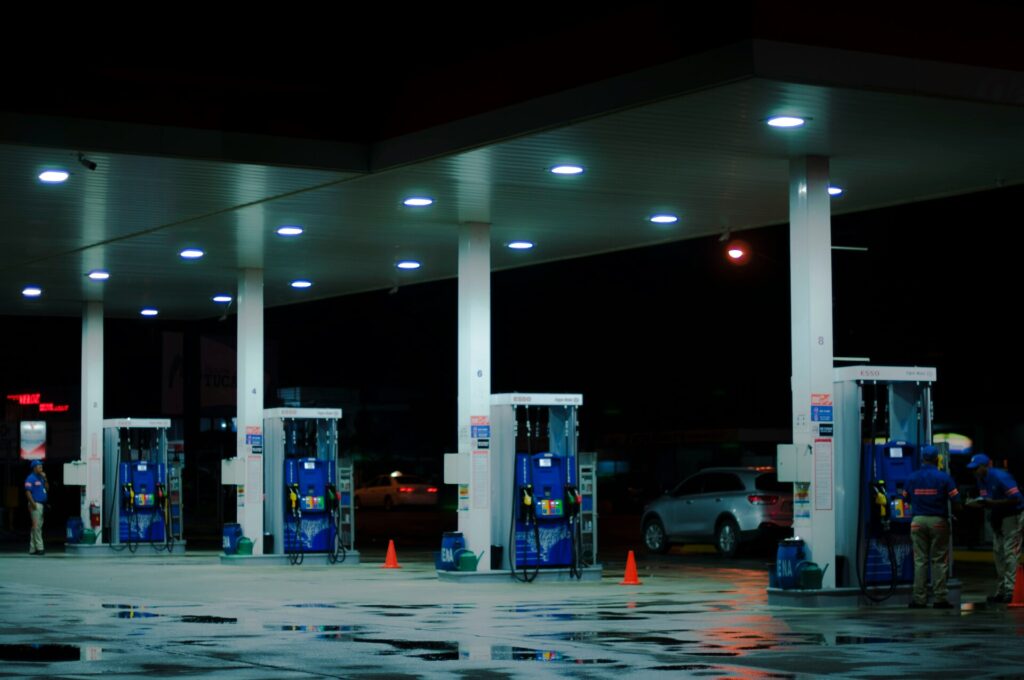
If you want to save yourself the trouble of finding a gas station air pump every time it gets cold, consider picking up a small portable tire inflator. They plug into your car’s 12V outlet or even your USB port, and can quickly bring your tires back to the right pressure. It’s one of those small tools that feels totally worth it the first time you use it in a freezing parking lot.
Bringing It All Together
That tire warning light on a cold morning doesn’t mean you’ve got a major problem—it’s just a reminder that your tires are reacting to the weather, just like the rest of us. Taking a few minutes to check and adjust your tire pressure can save you money, extend the life of your tires, and keep you safer on the road.
So the next time the temperature takes a dive and that little light shows up, don’t panic. Just give your tires a quick check, top them up if needed, and get on with your day—hopefully with warmer socks and a hot drink in hand.
Would you like help creating a quick winter car care checklist to go along with this? Or want this adapted into a shorter social-friendly version?